
Case Study:
SIA Healthcare Staffing Summit 2023
Same Standard. Different Strategy.
Building a System That Scales.
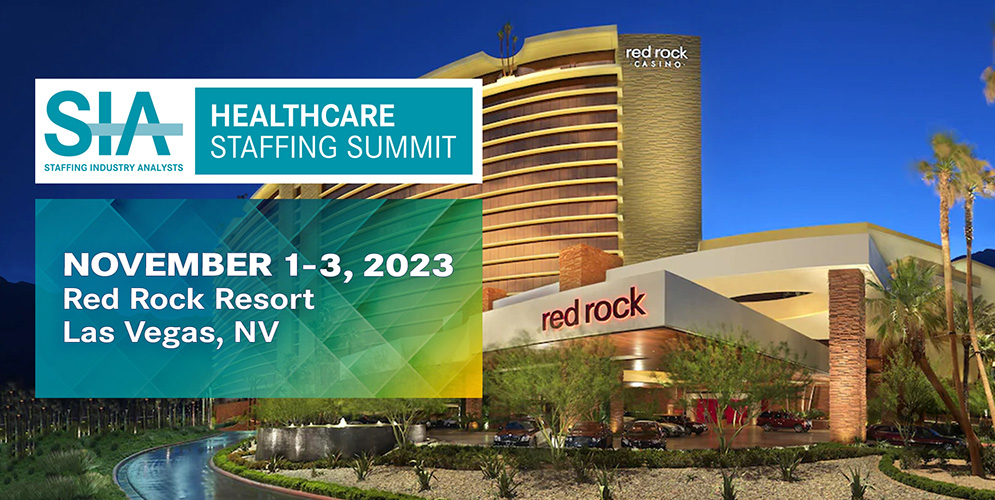
By the time this conference came around, I knew the brand, the audience, and the production demands well. The Healthcare Staffing Summit was familiar territory. What changed was the design strategy.
After the theme-based approach of the first conference, SIA returned to their established location-based direction for subsequent events. The shift was practical as much as aesthetic. A patterned background anchored to the conference location created a more reproducible system, one that could support a growing team and maintain consistency across all six annual conferences without depending on a thematic concept being reinvented each cycle.
That is a different design problem than building something new. It requires a different kind of discipline: making a system work beautifully within its own logic, rather than introducing new ideas into it. Both are legitimate. Both require skill. This case study is about the second kind.
The Client
Staffing Industry Analysts (SIA) is the global authority on staffing and workforce solutions, serving both suppliers and buyers through research, data, training, accreditation, and executive conferences. The Healthcare Staffing Summit is SIA's pre-eminent annual destination for leaders serving a US healthcare staffing industry valued at over $39 billion. Attendees come from the most complex and fast-moving segments of that industry: locum tenens, travel nursing, allied health, and per diem care. They bring C-suite authority, deep sector knowledge, and a clear expectation of what professional looks like. The design had to match that standard at every level.
My Role
Graphic Design Manager, Art Director & Digital Designer
As Graphic Design Manager, I continued to oversee the full visual identity of the Healthcare Staffing Summit, responsible for conceiving the design direction, building the asset system, and ensuring consistency across the complete marketing package. By this point, a junior designer had joined the team, making the scalability and clarity of the design system even more important. A well-built template structure meant assets could be produced efficiently without sacrificing the quality standard the audience expected.
The Design Approach
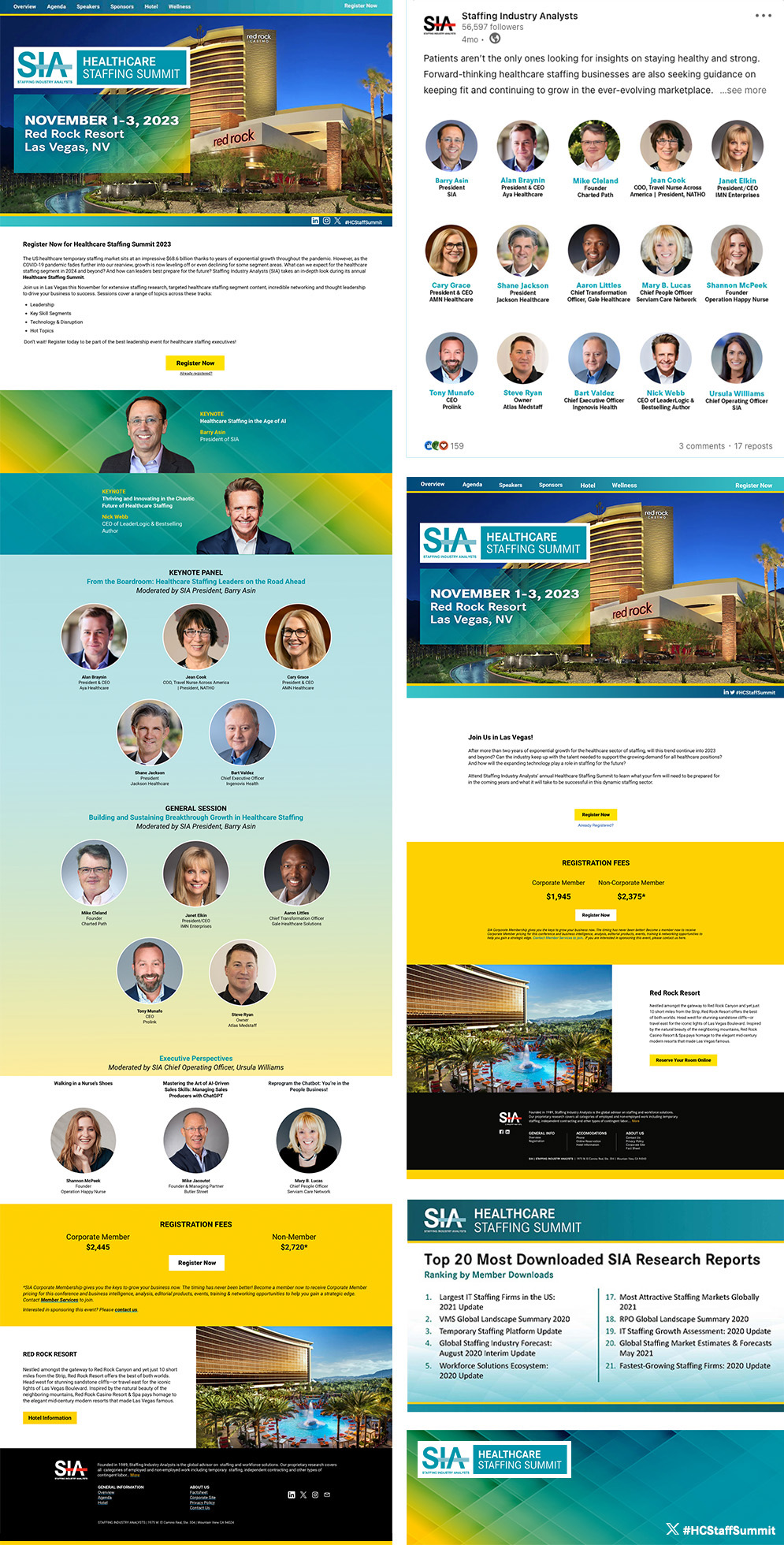
Where the first conference was built around a conceptual theme grounded in audience research, this one was built around the conference location. The approach was practical as much as aesthetic: a strong photograph of the venue city, anchored by a semi-transparent patterned background overlay, gave the identity a sense of place without requiring a new creative concept to be developed for each conference cycle.
It is a different kind of design problem. Less about original conceptual thinking, more about system discipline. The value here is not the idea. It is the execution: making a scalable approach look polished and intentional at every format and every size, so that the system holds up whether it appears as a hero image, a LinkedIn post, a speaker badge, or a PowerPoint slide.
That background pattern was structural thinking, not decoration. It meant:
Healthcare Staffing Summit Hero Image
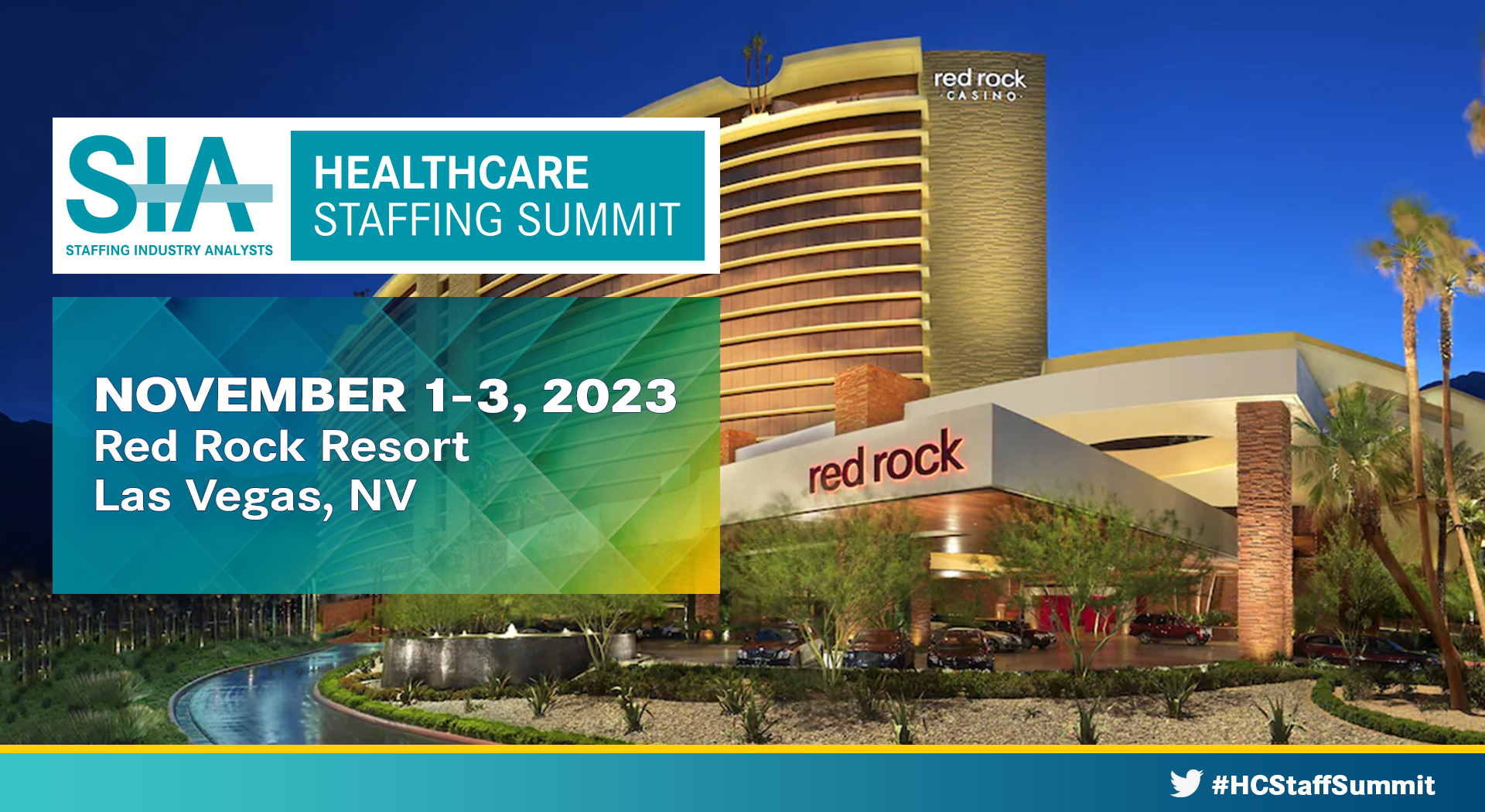
Website Subpage Header

5 Speaker Social Badge
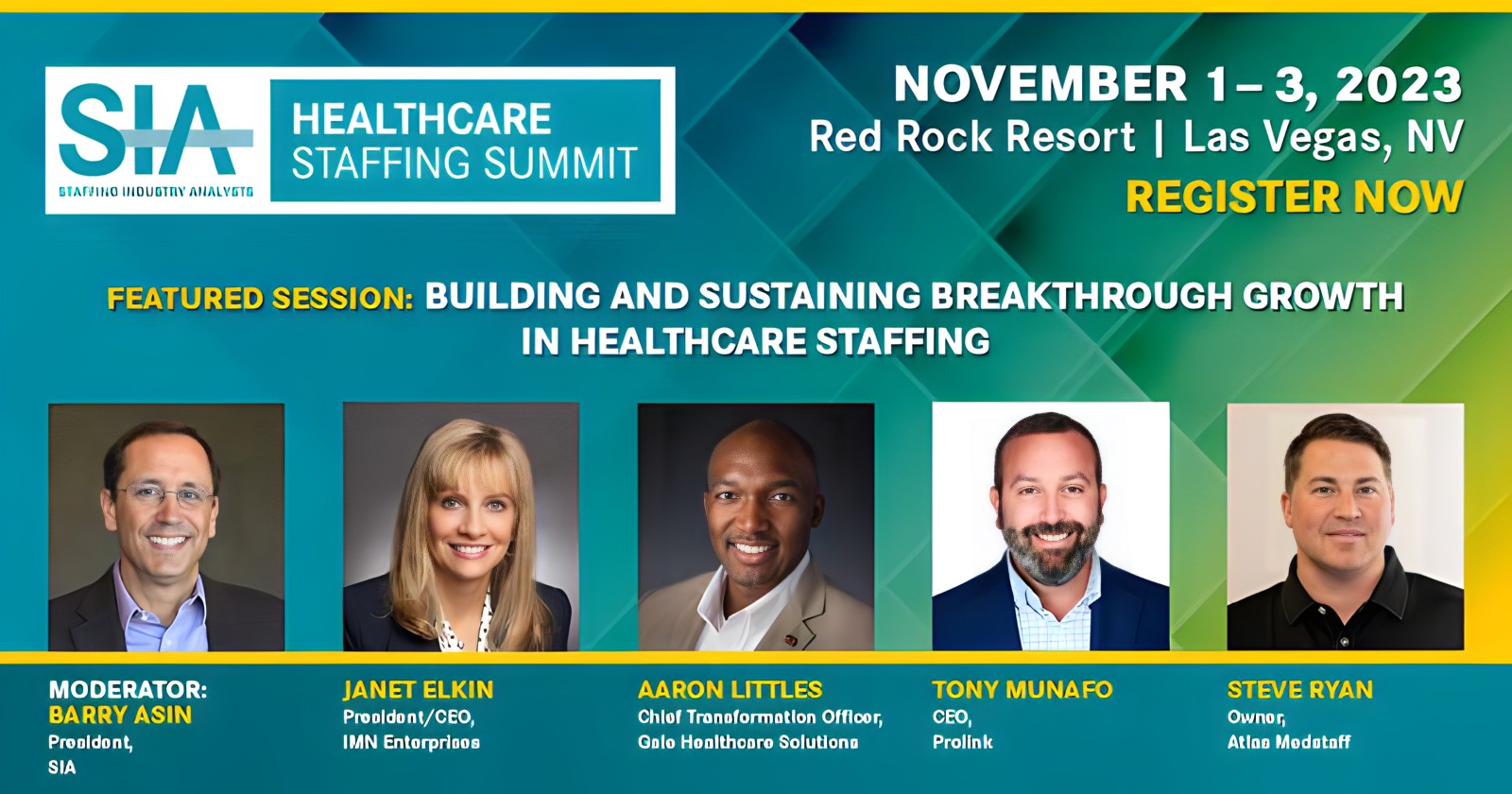
Conference Keynote Speaker Web Badges
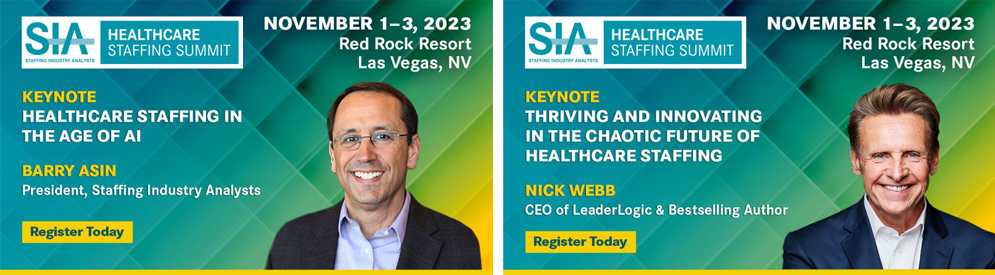
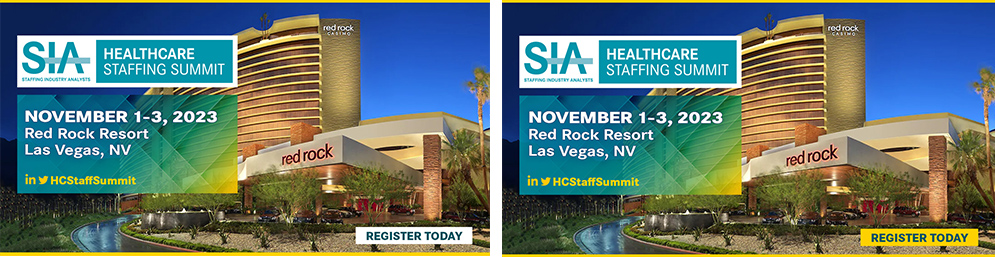
Register Today Social Badges
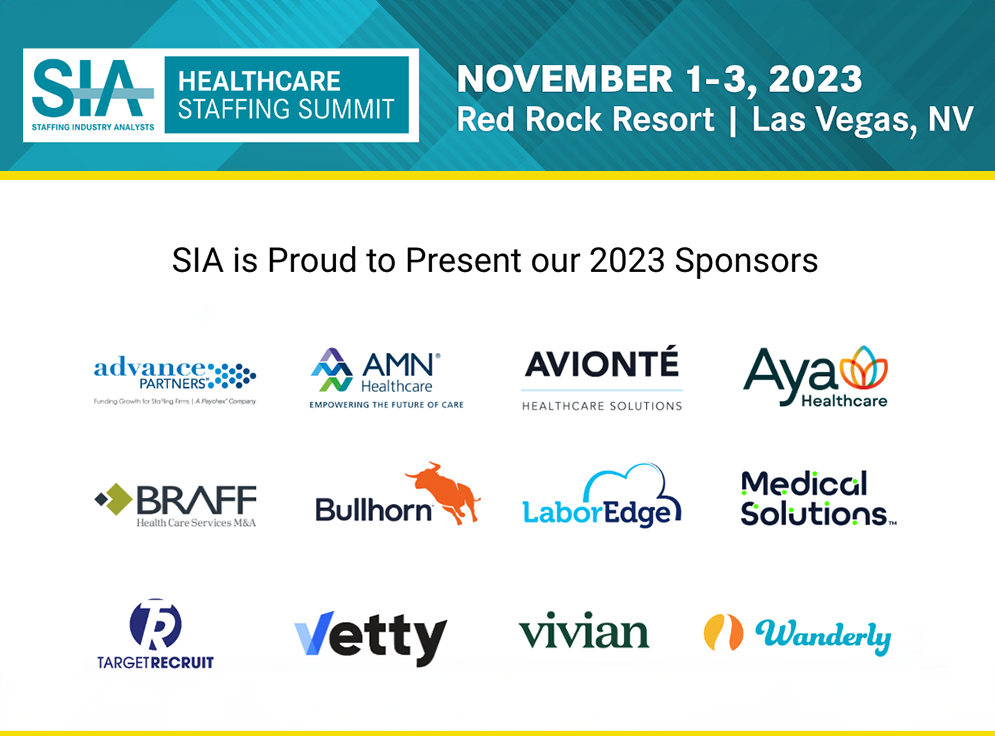
Partial Sponsors Web Lineup
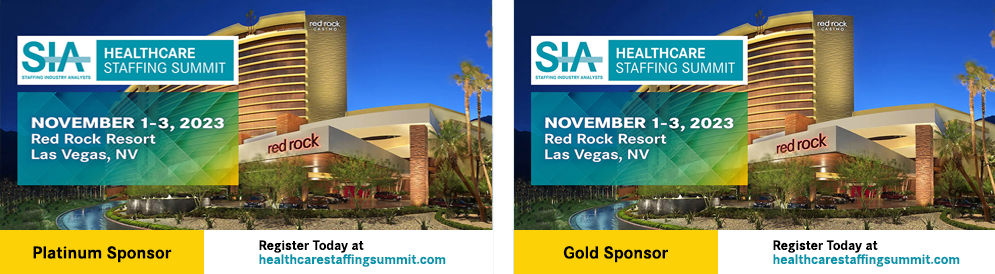
Platinum and Gold Sponsor Badges
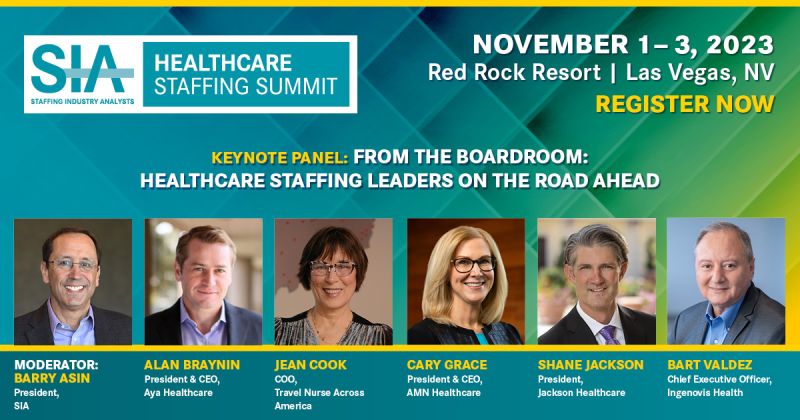
Social Media 5 Speaker Badges
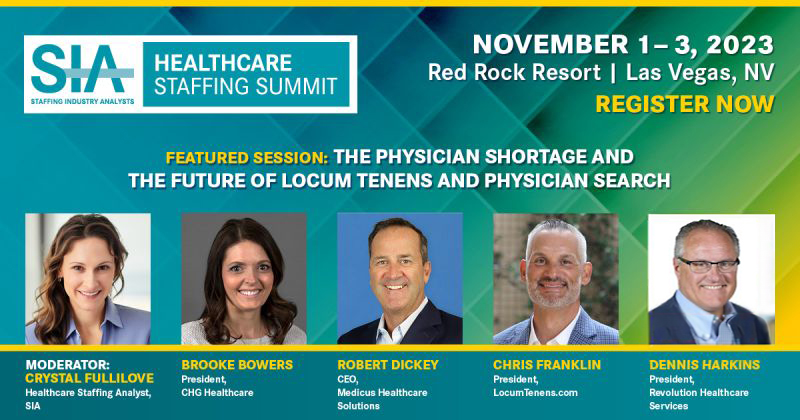
Social Media 6 Speaker Badge
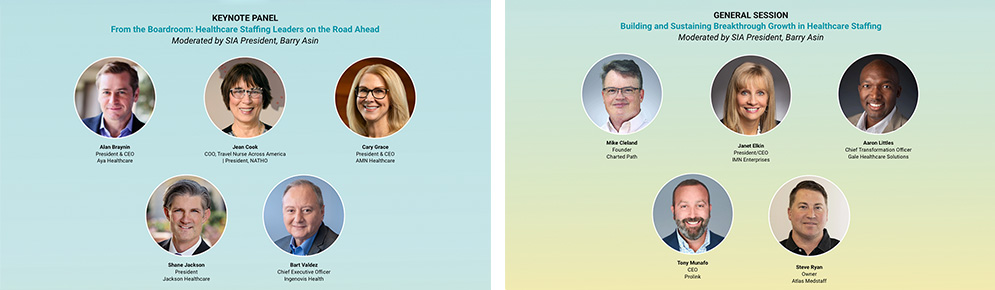
Speaker Lineup
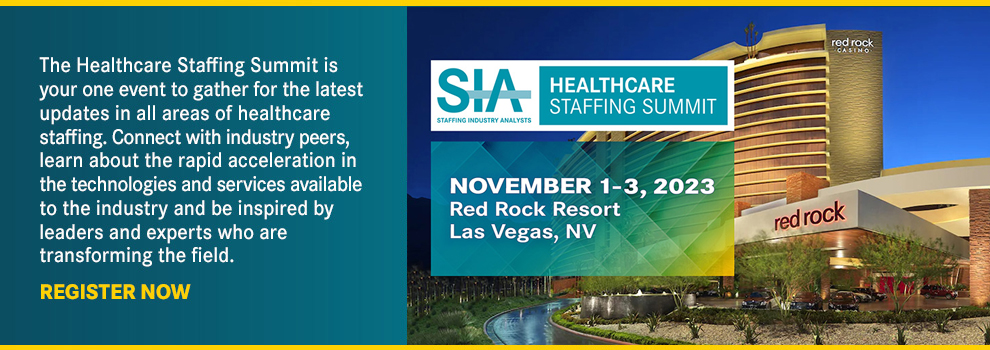
Website Slider
Conference Microslider and Speaker Badge
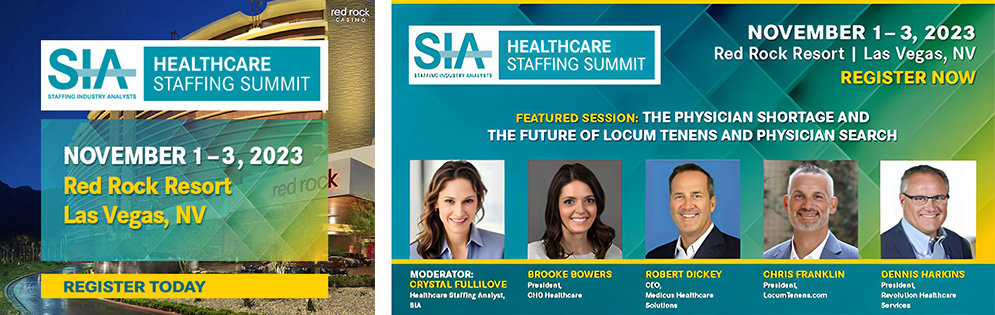
LinkedIn and Twitter / X Social Badge
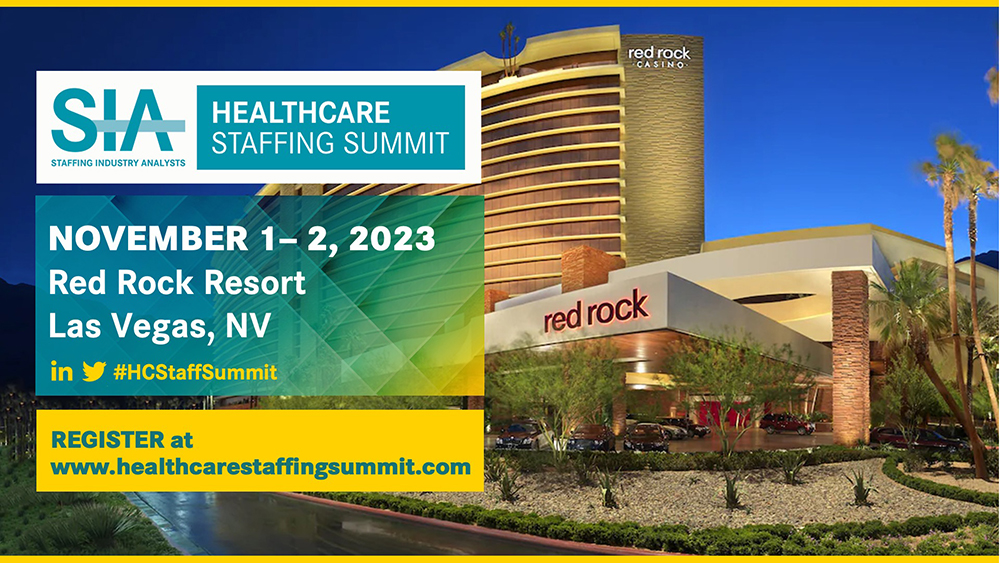
Website Subpage Header Placeholder
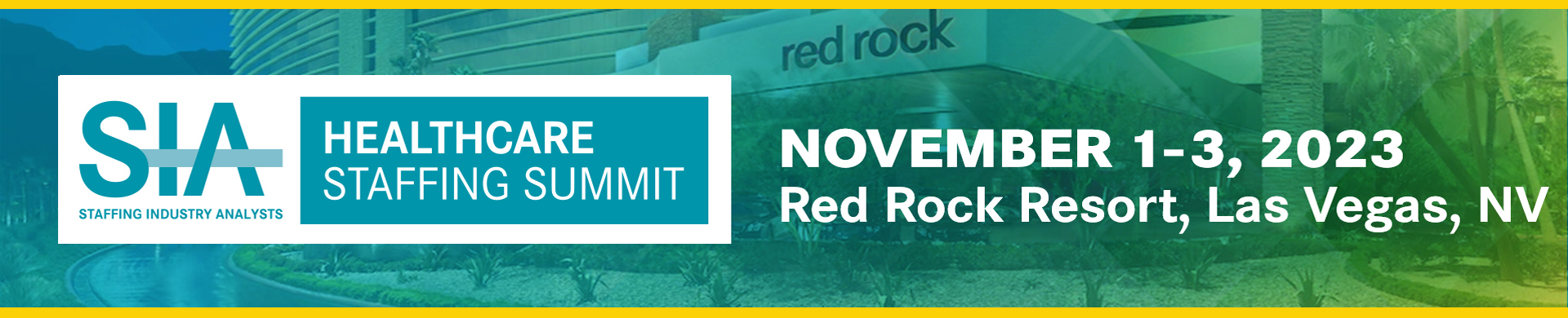
Website Layout: Keynote Speakers
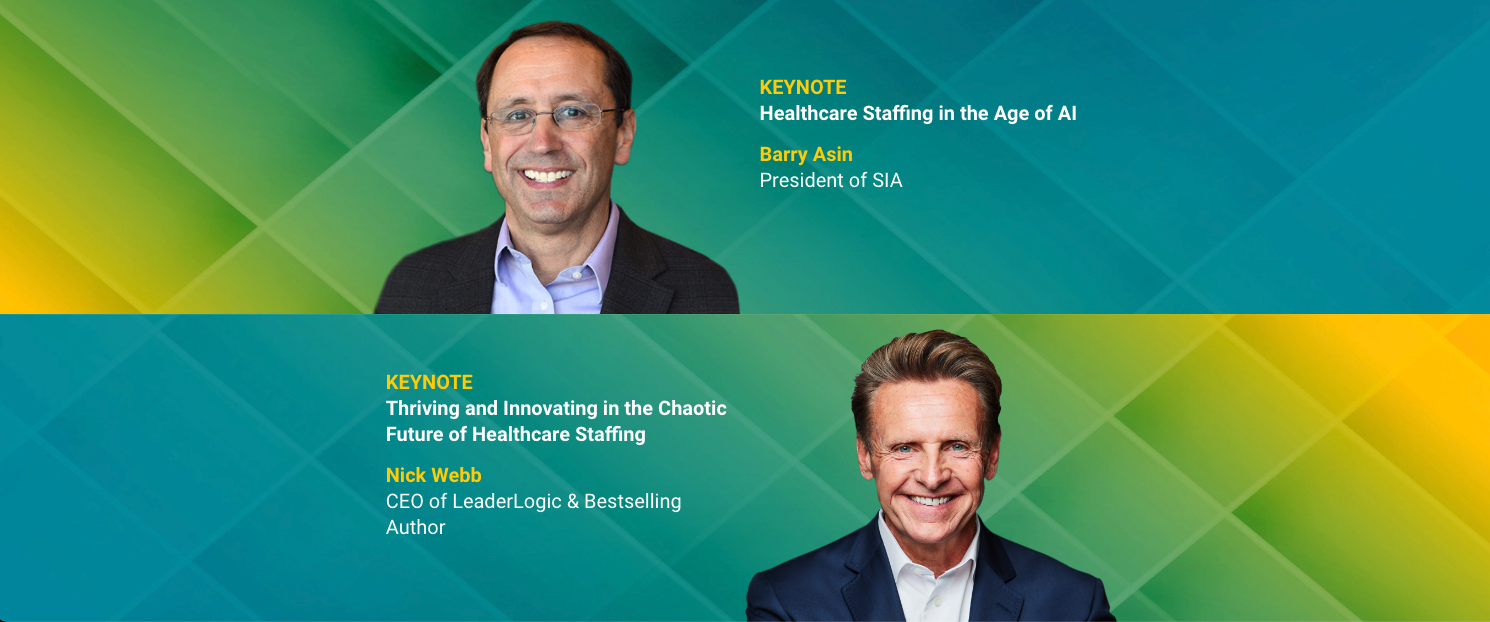
Website, LinkedIn Post, PowerPoint Slide and Streaming Background
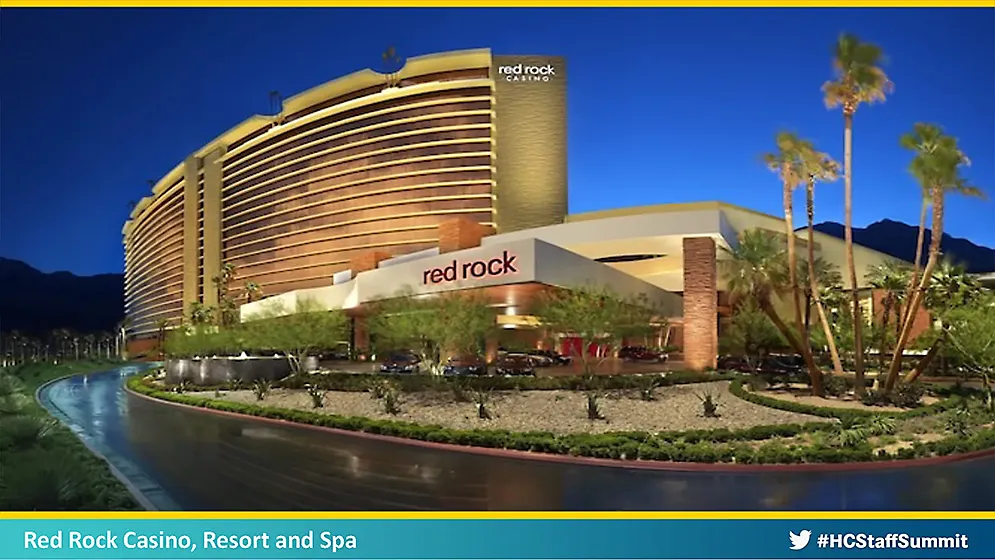
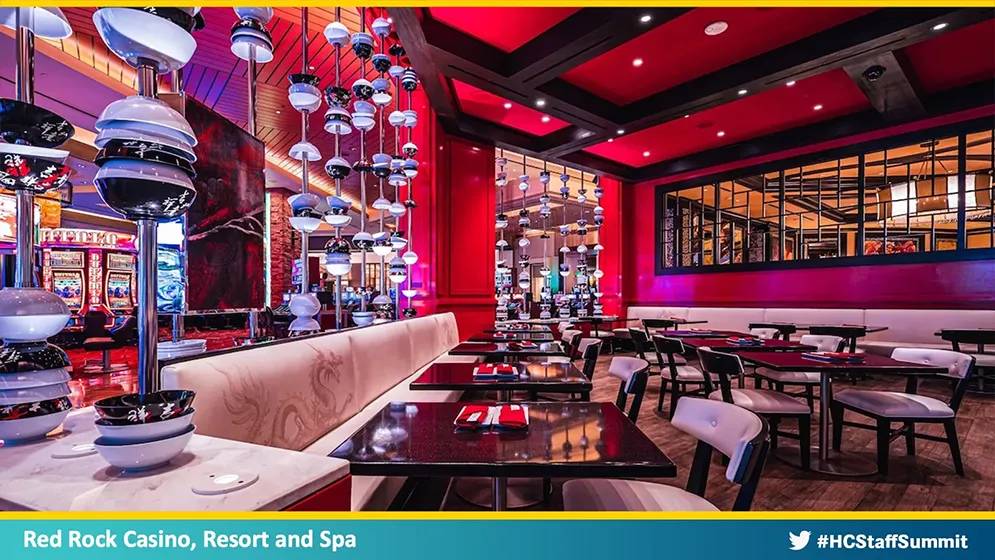
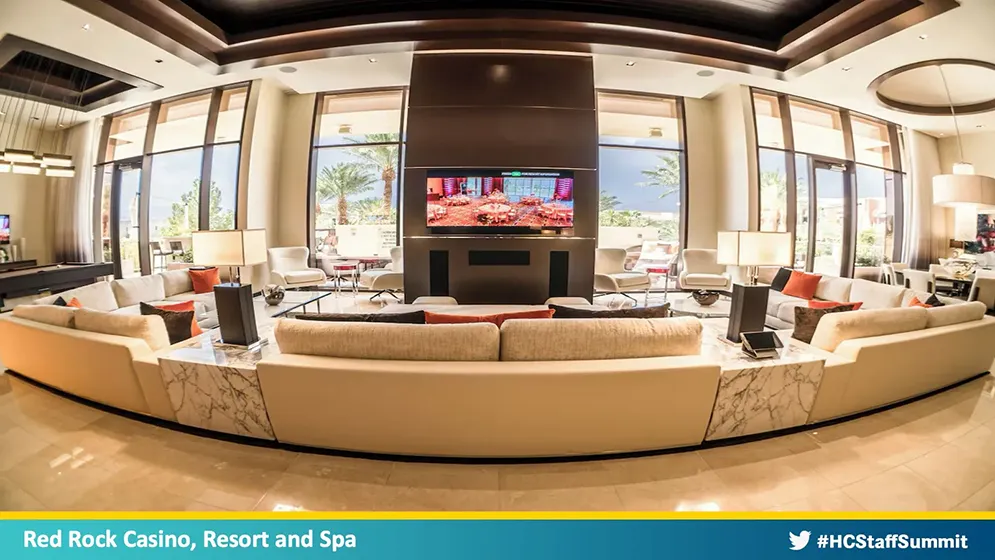
Red Rock Casino Conference Location Photos used on Website
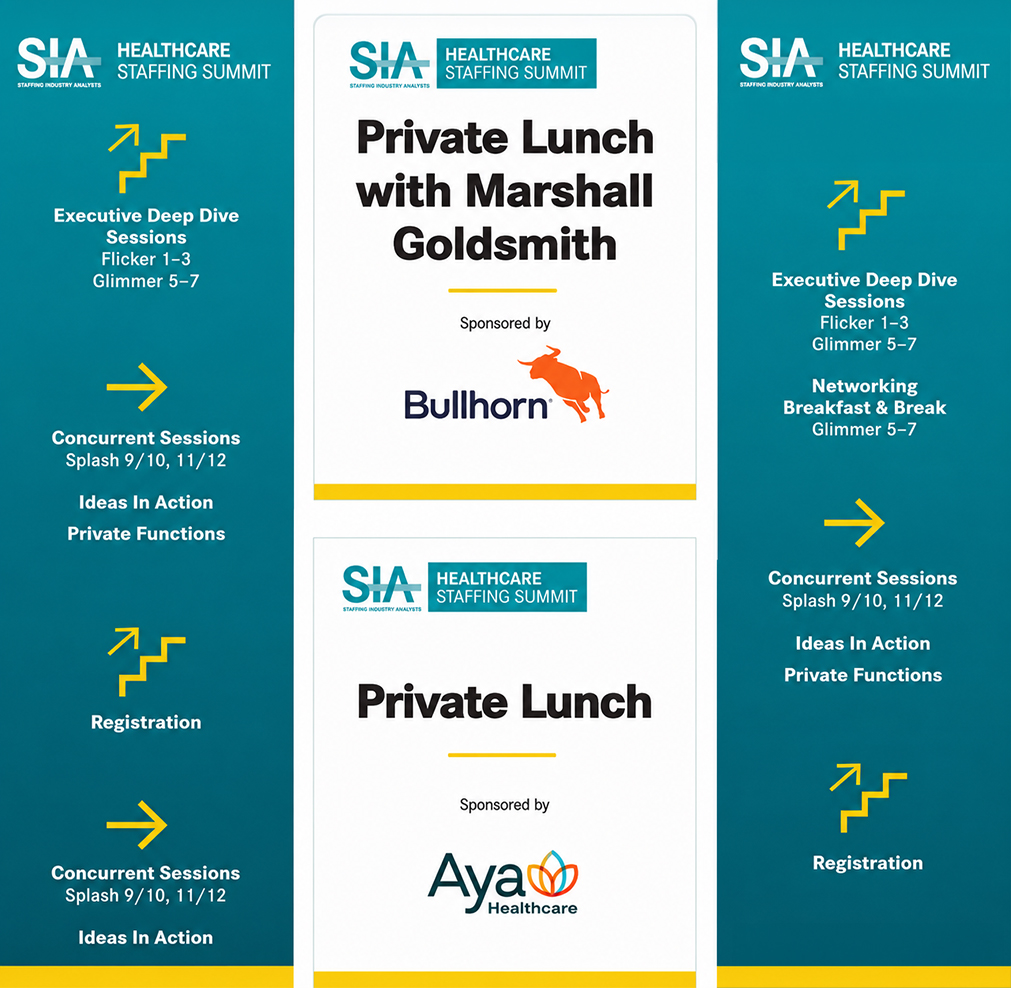
Healthcare Staffing Summit Conference Signage
What This Work Demonstrates
Design Systems Thinking
A location-based visual identity built on a scalable patterned background is not a simpler approach than a theme-based one. It is a different kind of design problem. Building a system that can flex across hero images, badges, sliders, web layouts, and PowerPoint decks without losing coherence requires structural thinking from the start, not just good aesthetics.
Team Scalability and Template Strategy
With a junior designer joining the team, the design system had to be built for handoff as much as for output. Templates that a less experienced designer could work within confidently, without requiring senior judgment on every asset, are a management tool as much as a design tool. This engagement demonstrates the ability to think about design at that level.
Sustained Healthcare Industry Experience
This was not a one-off engagement. The Healthcare Staffing Summit was one of six conferences produced annually across a three-year tenure as Graphic Design Manager. The sustained relationship with SIA and with the healthcare staffing audience demonstrates a depth of industry familiarity that goes beyond a single project or campaign.
Adaptability Within a Brand System
Moving between a theme-based creative direction and a location-based system, both within the same client relationship and the same brand constraints, demonstrates the ability to serve a client's evolving needs without ego. The best creative direction is the one that works for the client. Knowing when to push and when to build within the system is a senior-level judgment.
The Impact
A conference marketing package is only as strong as its weakest asset. When you are producing 40-plus pieces across a dozen formats, the standard has to hold from the hero image to the smallest social badge. That is what a design system makes possible. Not just efficiency, but consistent quality at volume, across every channel where the audience encounters the brand.
The Healthcare Staffing Summit continued to attract healthcare staffing executives at the highest levels of the industry. The visual identity that supported it reflected their professional standards at every touchpoint. Over three years and six conferences annually, that consistency was not a given. It was built, maintained, and delivered, conference after conference, by a design team that understood what the audience expected and made sure every asset delivered it.